R&D of an Automated Point of Care Testing Device
October 27, 2021
- 3dprinting
- automation
- hospital
- industrialdesign
- medical
- productdesign
- robotics
We started with the pitch to our sponsor about a minimalist version of their brainchild. I led hardware design and controls planning. Building a prototype around Human-centred design had me measuring average human wrists at one point.
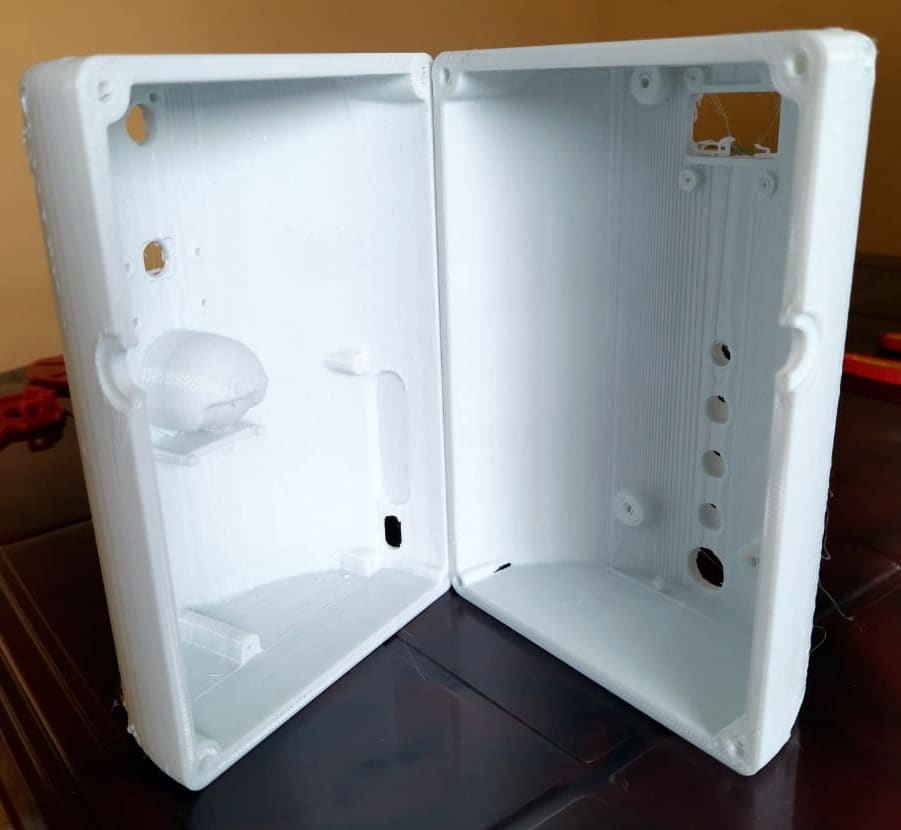
There were multiple iterations for the ideal prototype, one larger version designed for operation theatres and the smaller ones designed for clinics. All of them were designed to be calibrated to medical standards. We focussed on prototyping the sensors on open source hardware like the Raspberry series boards and utilised additional connectivity PCBs to bridge the sensors in.
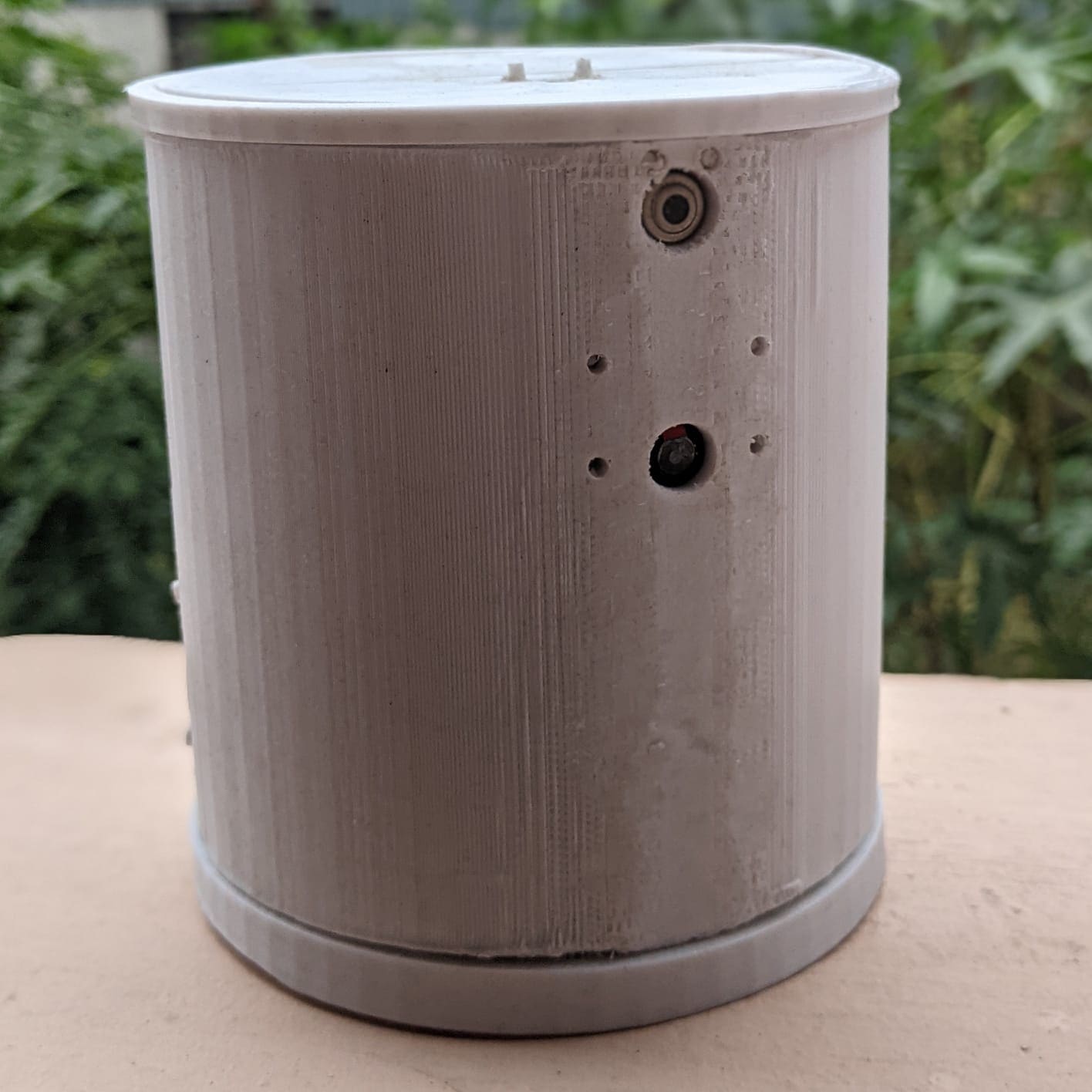
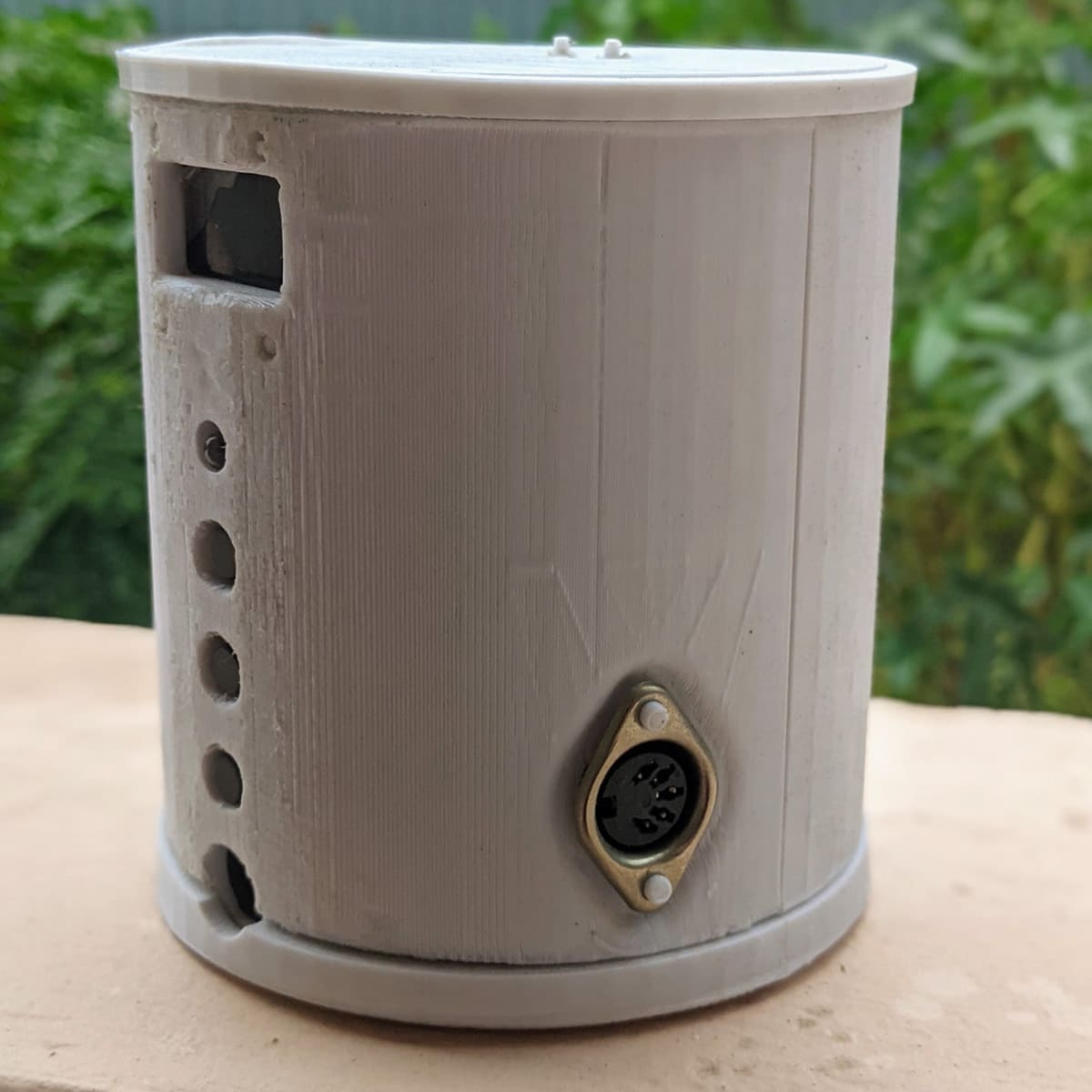
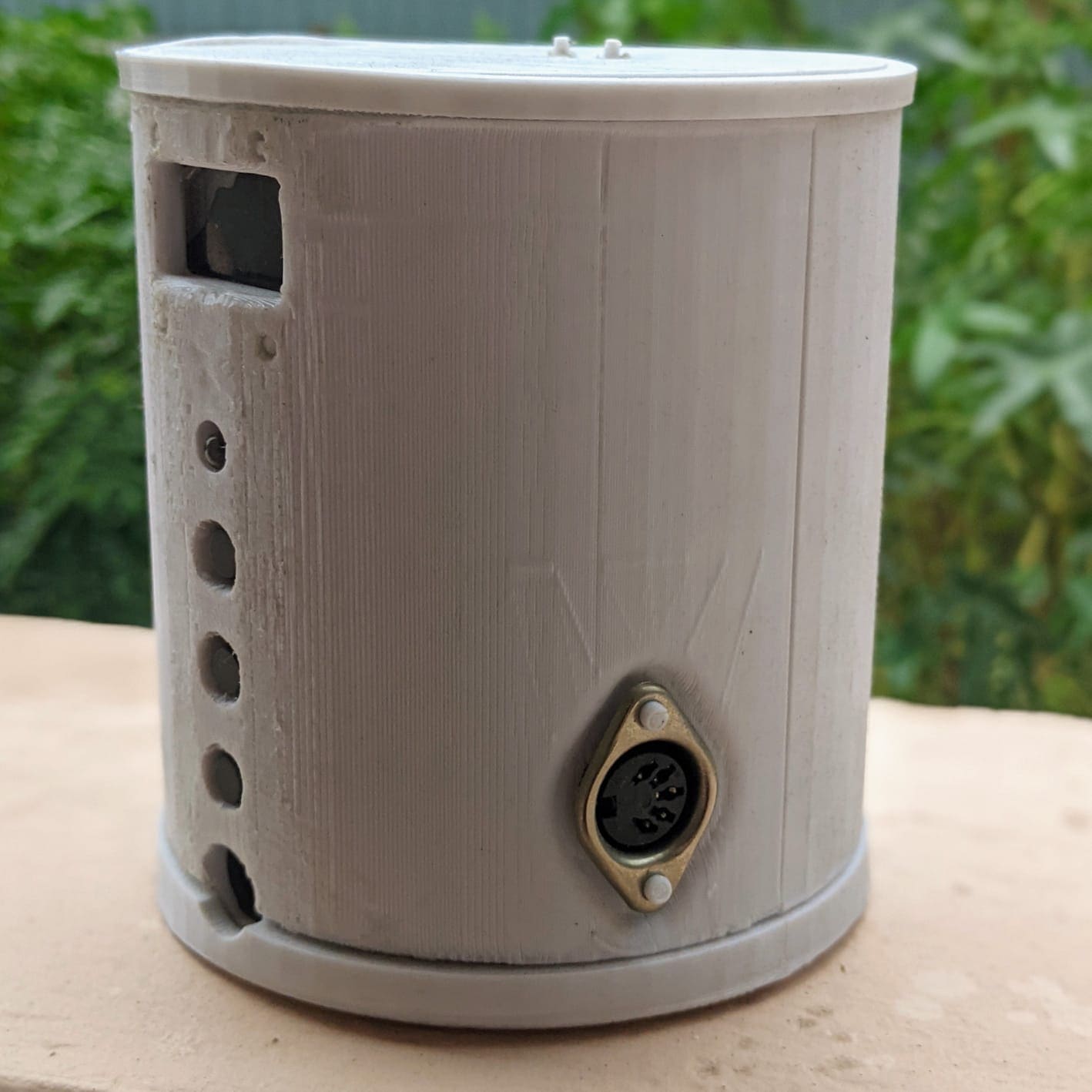
The cylindrical ones shown were the latest prototypes, designed to be the most compact and suited for tabletop/bedside environments for constant biofeedback monitoring. Our array of essential sensors like the Pulse oximeter, 3lead ECG, Contact Thermometers, fingerprint sensors, heart rate sensors were designed to provide un-interrupted patient monitoring with it's own battery backup.
Thanks to A.D. Paul & Co., with the In-house 3D printing facility we were able to test multiple physical iterations. Their resources and connections also enabled us to incorporate precision laser cut Medical grade Stainless Steel into our development.
The larger versions below were designed for hospitals with an efficiency involving higher precision systems like 12 Lead ECGs, Oxygen and IV flow rate sensors and higher power routing systems to handle higher work loads.
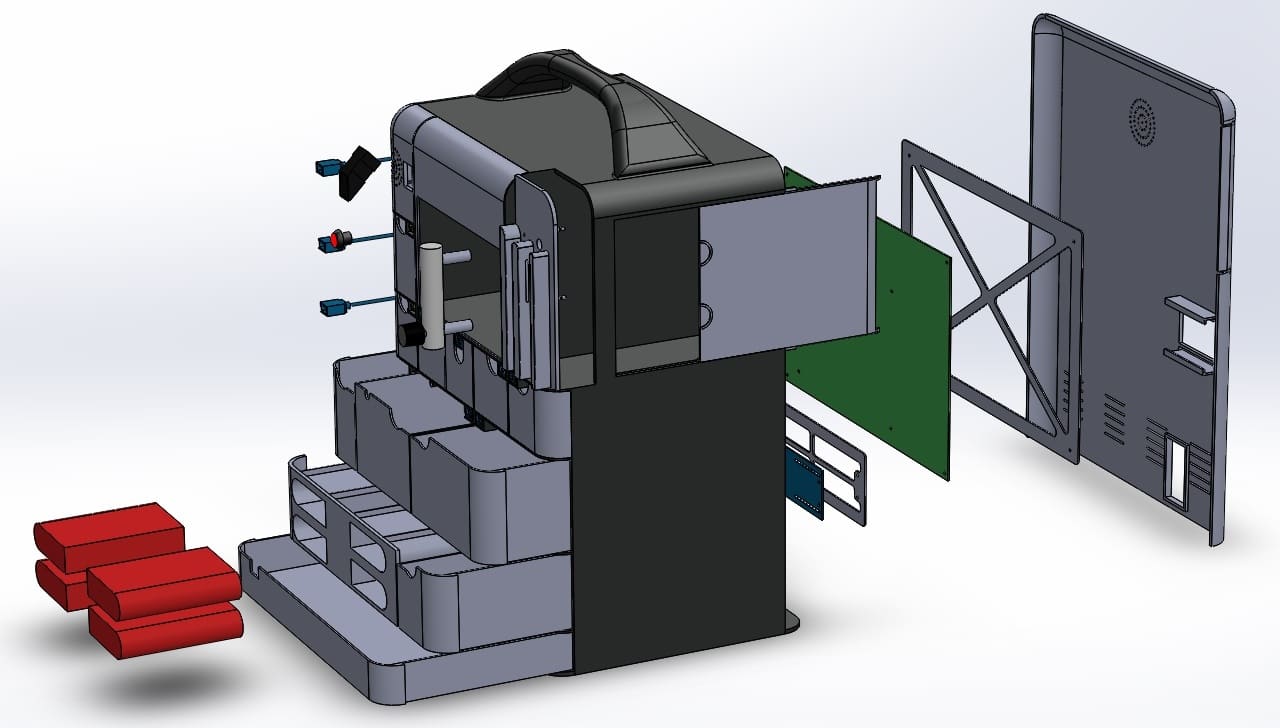
Working with Guna T, Vishal Aditya, Innovatios Technology and the team made driving through the system schematics, sensor integration, circuitry and logic a breeze.
In collaboration with our sponsor, I also had the opportunity to oversee initial works for Public Relations of the product. Nivedha N with her thorough research about the market, detailed content, and human resourcefulness.
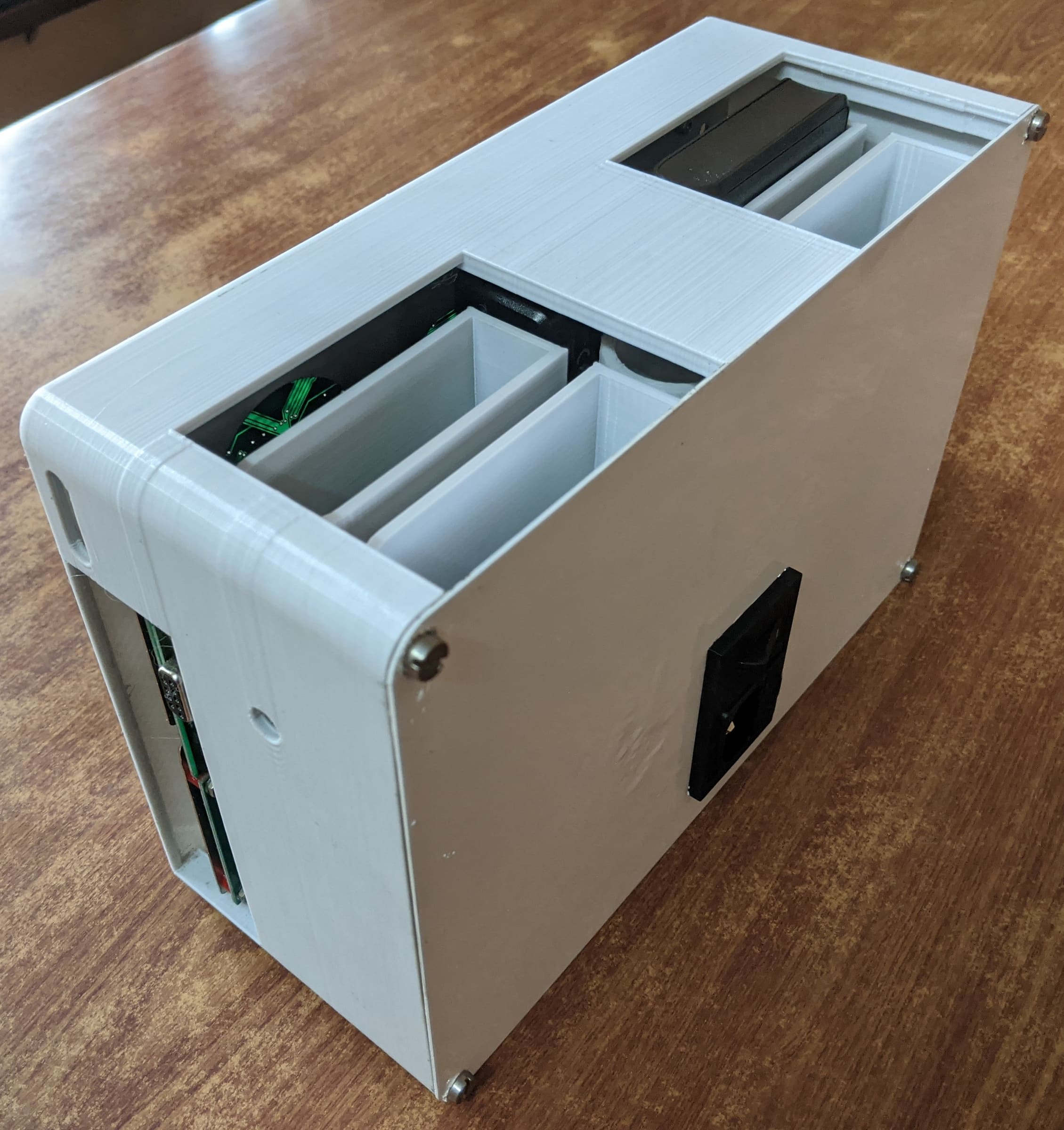
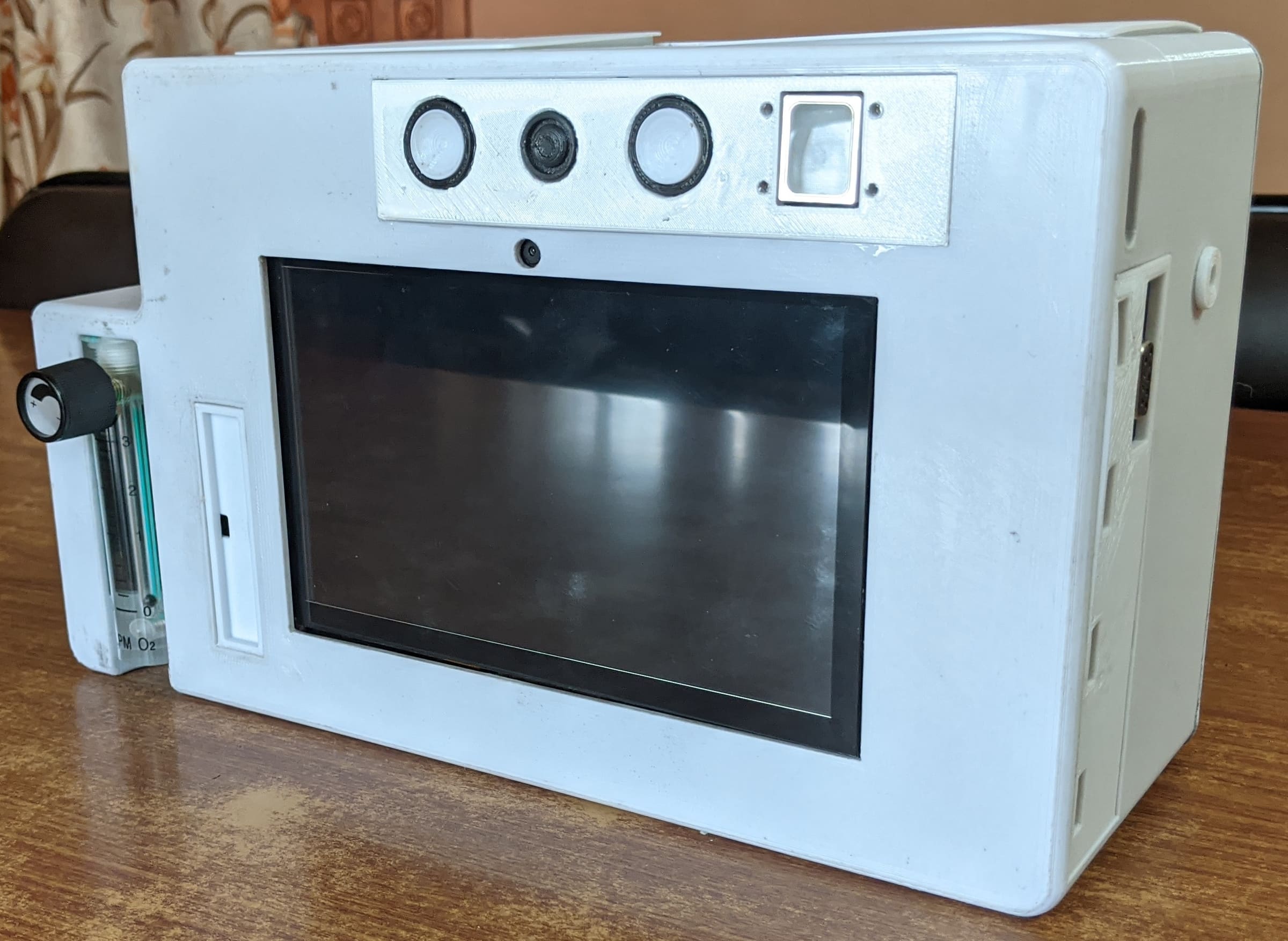
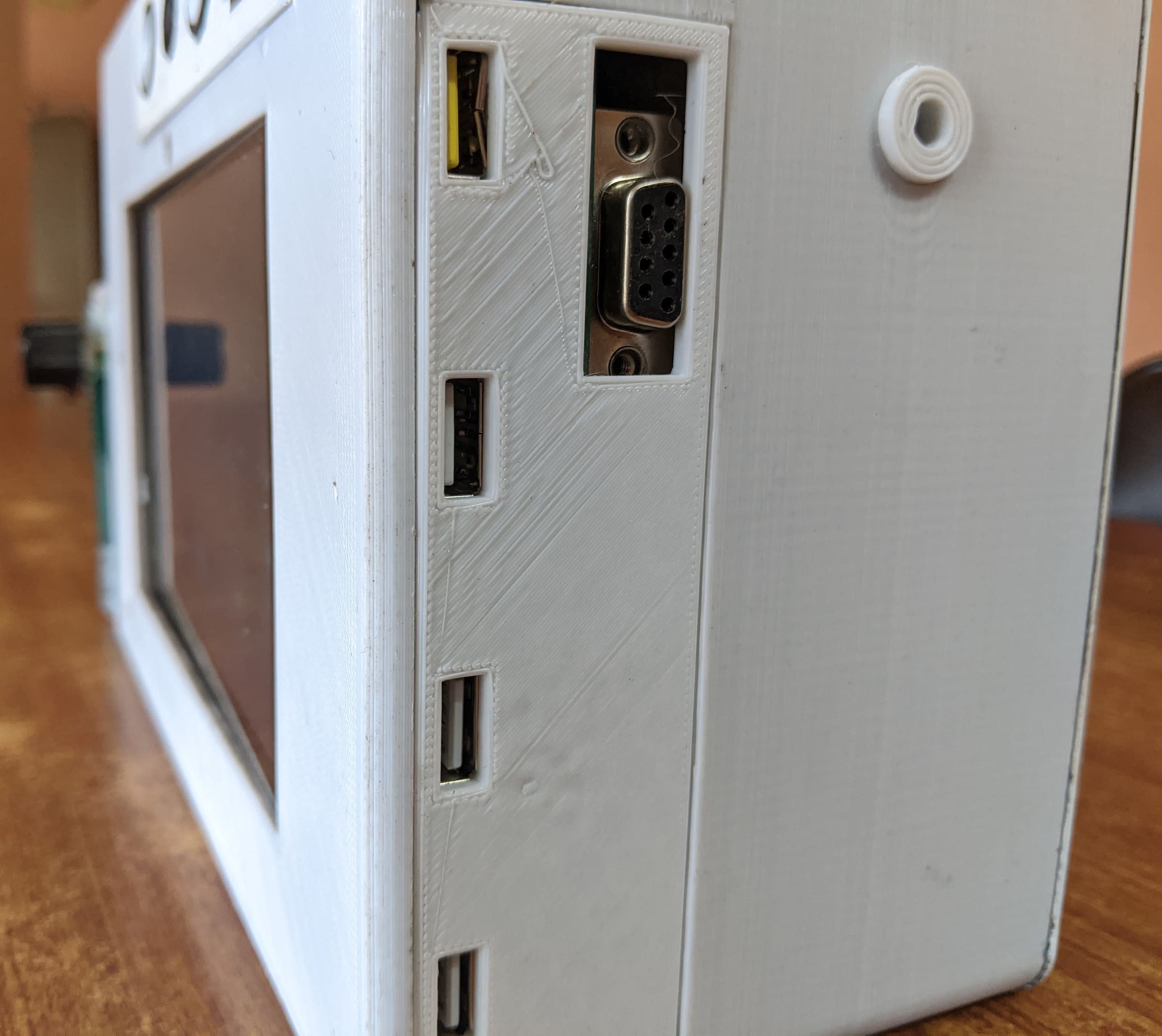
We've been through a year-long journey of development and prototyping, multiple Iterations, meetings, fabrication and assembly sessions. I’m proud and grateful to have been a part of this. Developing automated medical bedside assistive systems particularly at a time when the world needed innovation in the field.